
Anthony Johnson: Certified NBPA & FIBA Agent | Founder, Renaissance Sports Group

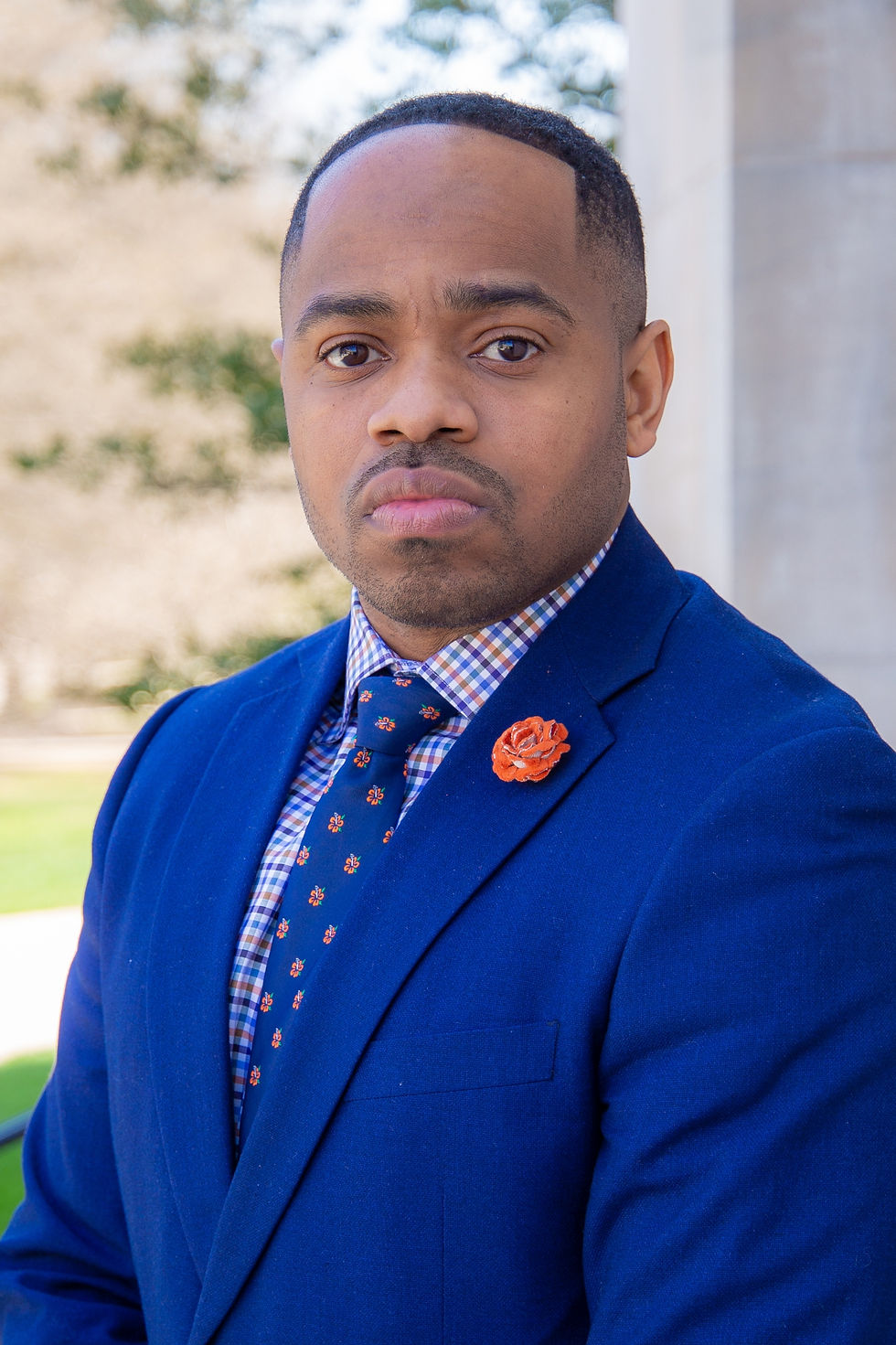
Anthony Johnson knew he wanted to pursue a career in sports management and athlete representation since he was in high school. For this Baltimore, Maryland native, there was something about helping athletes reach success in their endeavors on and off the court that ignited a spark within him. This was just the beginning. After completing his senior thesis at the University of Maryland on the disparities of people of color and managerial roles across all sports, Anthony confirmed his commitment to not only becoming a sports agent but also launching his own sports agency. "It really was eye-opening, especially for the sports that I felt like people of color tended to dominate. For whatever reason, there was not a lot of representation of people of color at all. That was eye-opening not only as an agent, but it
also just put a different fire in me...It made me think bigger, think more holistic, and think (about) creating a movement," he highlights. A movement that began in 2019 with the launch of Renaissance Sports Group—a full-service boutique agency that specializes in contract negotiations, marketing, brand management and community impact—; and one that has yet to slow down. Currently representing athletes at the collegiate and professional level, both domestically and internationally, Anthony is looking forward to building out the NIL sector of the agency further while also helping more Black and Brown agents secure opportunities within the space.


Take us back to that first year of being a sports agent. What were some challenges that you faced early on and how did you work to overcome them?
I got certified in 2019, and some of the challenges…I mean there are challenges that are always going to be there. One was the lack of finances and know-how. I got a lot of experience just from building relationships and learning; so that experience was an effective but expensive teacher. I may have spent money in places or rooms or meetings that—had I been a little bit more seasoned—might have not made sense because they didn’t (align) with my brand of business. I overcame those challenges by networking. I was going to basketball tournaments. I was going to NBA All-Star. I did not necessarily know who to connect with and what entities, but I was just trying to be in rooms and meet people. I knew eventually at some point I was going to need NBA contacts or overseas contacts, so having some relationships with people in that space—or building with the other young and up-and-coming guys in that space who were trying to grind like I was—was (helpful). I think from that, it definitely was a dope experience. It made me jump into the deep end of the pool early and learn how to swim, and I think it made me a better agent as a result.

As you took that next step, what inspired you to launch Renaissance Sports Group?
From the simple premise of me being a person of color in this space and the lack of representation thereof, it was something that I think was needed and essential. When I was at the University of Maryland, one of the things that I did at Maryland—because they did not have the sports management program so as a result I had the opportunity to create my own major and present my own curriculum—was a thesis. I was getting a doctoral degree for this program as well, so it got me very used to talking about the business of sports early on in the process. My thesis was also on the disparities of people of color and managerial roles across all sports. It really was eye-opening, especially for the sports that I felt like people of color tended to dominate. For whatever reason, there was not a lot of representation of people of color at all. That was eye-opening not only as an agent, but it also just put a different fire in me. I was trying to understand what was the ‘why’ behind it and what would it look like for me—and also our communities collectively—if we changed that trajectory. It made me think bigger, think more holistic, and think (about) creating a movement. So with Renaissance, it was not only about myself but also having representation of other people of color within the space—getting interns, other agents, etcetera. We've been fortunate enough to kick that off.
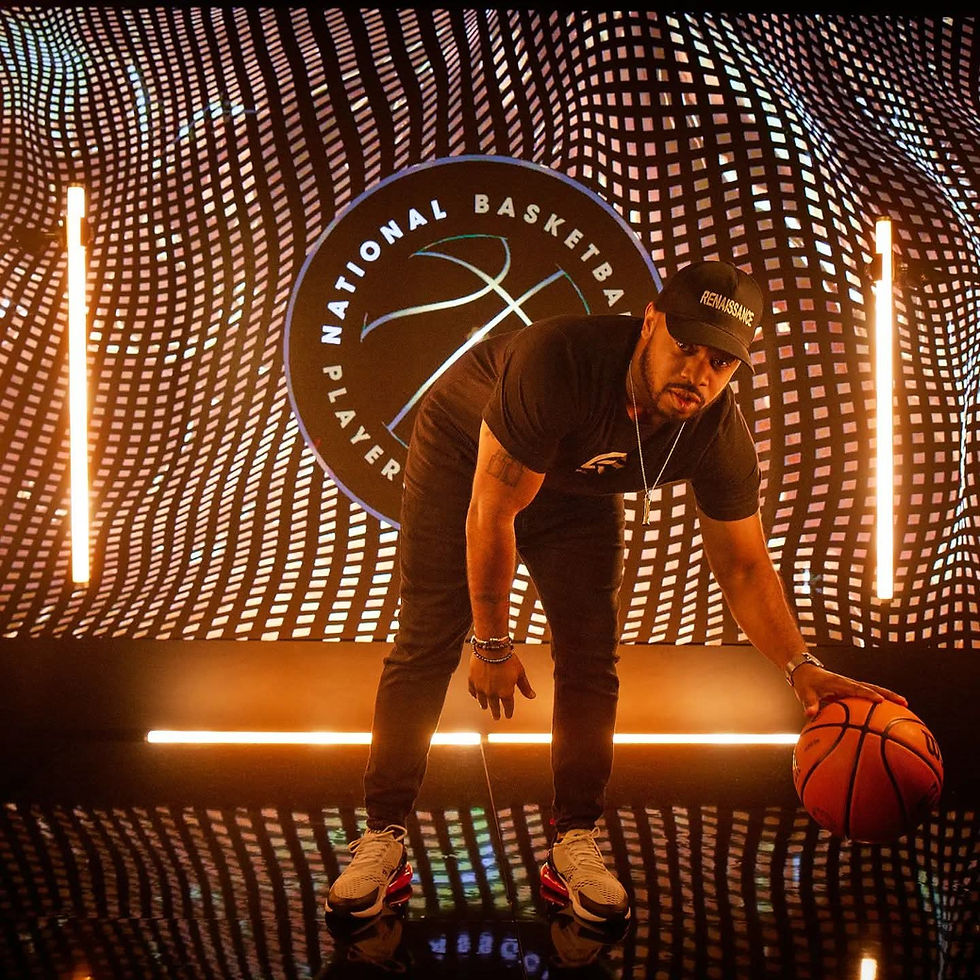
Let’s dive more into Renaissance! What were those pillars that you wanted to build Renaissance around and how did you craft the mission for your sports agency?
Great question. So I liked the name because Beyoncé dropped an album called Renaissance—that’s on a lighter note (*laughs*). But for me, I think words have power. What I wanted to do was create two things: 1) what would be categorized as a Renaissance man or woman and 2) a Renaissance movement. When you talk about the cultural aspect, especially with people of color, one of our more prominent periods was the Harlem Renaissance. The Harlem Renaissance really featured arts and culture in that aspect. It really was a good representation of a movement of empowerment through arts and culture. So for us, I wanted to create a Renaissance movement and a cultural rebirth of artistic, intellectual, entrepreneurial, and ultimately athletic activity with Renaissance (Sports Group). What they did with the arts, we're trying to create it with the athletic component and for athletes. We want to empower our cultures and communities beyond. In order to do that, I felt like first I had to also create Renaissance athletes. A Renaissance athlete is how I like to categorize it, but they are more than an athlete; and at Renaissance, we want to elevate athletes’ success.
Want to read more?
Subscribe to theballersmagazine.com to keep reading this exclusive post.

![Inside Project B: Landry Fields on Being Named Head of Men’s Basketball, Building Out the Men’s Division, League’s Unique Value Proposition, Player Development, and More [Exclusive Q&A]](https://static.wixstatic.com/media/7604df_61ddbbc92ff447f6a233f197dfda7c3e~mv2.jpg/v1/fill/w_980,h_579,al_c,q_85,usm_0.66_1.00_0.01,enc_avif,quality_auto/7604df_61ddbbc92ff447f6a233f197dfda7c3e~mv2.jpg)
